Ever stared at your desk, bursting with educational video game ideas but paralyzed by the question – Where do I start? Designing Learning Games the Right Way demands more than creativity—bridging game mechanics with structured learning objectives through deliberate workflows.
Think educational design thrives on chaotic experimentation? Consider this:
Three fundamentals every developer needs:
- Anchor game mechanics directly to curriculum outcomes/learning objectives (“the learning is an inseparable part of the game”)
- Treat player engagement as a measurable teaching tool.
- Structure collaborative pipelines between designers and educators
This harmony transforms lessons into adventures where quadratic equations become puzzle keys, and grammar mistakes trigger alien battles!
Our proven workflow (refined through decades of game-based learning trials) systematically addresses key challenges in the workflow for learning game design:
Pedagogy Gap→Maps standards to play patterns
Design Drift→Aligns playtests with knowledge checks
Assessment Blindspots→Embeds analytics into core gameplay loops
Let’s dive into how this structured approach helps you build truly impactful learning games.
Defining Learning Objectives for Successful Game Design
In educational game design, clearly defined learning objectives form the architectural blueprint for every decision. Before selecting game mechanics, solidify these goals. They provide purpose, ensuring you are Designing Learning Games the Right Way. There are three non-negotiable rules developers must follow:
Align mechanics to outcomes: Design game mechanics that require players to demonstrate target skills through gameplay actions.
Bridge theory to playtesting: Validate learning objectives at key points with educator input and rubrics tailored to learner personas.
Tether to curriculum frameworks: Ensure curriculum alignment by mirroring classroom progressions via game structure.
Learning professionals and game designers become symbiotic partners in this phase. Educators articulate cognitive goals; designers translate these into reward systems, puzzles, and progression tied to game mechanics, which are crucial for curriculum alignment. This foundation is your filter: “Does this badge track the target skill from standard X? Can players bypass this challenge using the intended concepts?” Failing these tests means that it’s not an effective educational game design.
With learning objectives locked, we focus on implementation: the game mechanics bridging outcomes to experience.
Integrating Core Game Mechanics for Better Learning Outcomes
Every game boils down to verbs—actions like jumping, solving, and building that embody Learning Objectives through play. These core Game mechanics define how players interact with the game world.
Players operate within deliberate constraints when they engage, revealing how systems work. Because trial and error drives experiential learning, your game naturally forms a Feedback Loop. Players need these cues to understand the impact of their actions within the game’s rules.
This action-reward structure creates dynamic Progression systems. For instance:
- Placing Tetris bricks teaches spatial awareness as players master rotational physics.
- Constructing railway budgets in management simulation games builds financial literacy.
These Game mechanics thrive on clear feedback. Players need immediate performance cues, like points or visual progress indicators. Seeing growth fuels persistence and deepens player engagement, primarily as challenges escalate organically based on demonstrated mastery.
However, even brilliant designs can stall due to technical barriers. Many educators aren’t coders. Therefore, simplifying development is key:
Leverage No-Code/low-code platforms like Articulate Storyline 360 to create interactive modules using templates.
Utilize visual programming tools such as Scratch or Gamelab to build simpler 2D games.
Remember, game dynamics must directly mirror learning outcomes to effectively design learning Games the Right Way. When your mechanics, systems, and feedback layers harmonize, players don’t just play—they internalize the intended knowledge and skills.
But understanding the theory isn’t enough. Next, we’ll break down the step-by-step workflow for transforming these principles into playable reality.
Creating a Workflow for Learning Game Design
Creating educational game design solutions that resonate demands more than good intentions—it requires following a structured workflow. If you’ve successfully developed entertainment games but find learning integrations challenging, reconsider how Designing Learning Games the Right Way systematically addresses both domains. Both designers and educators can streamline development through sequential stages: mapping objectives, aligning curricula and embedding learner psychology at every milestone.
This methodology offers designers a practical roadmap to navigate educational complexities. Think of it as your blueprint for translating classroom theories into engaging challenges—the workflow begins where lesson plans meet curriculum alignment requirements.
For instance:
Outcome-Driven Architecture: Start each prototype by defining measurable mastery checkpoints rooted in core learning objectives.
Progression Engineering: Structure gameplay sequences mirroring skill-building hierarchies from foundational competencies to advanced applications.
Your audience isn’t just playing—they’re problem-solving within carefully scaffolded ecosystems. Our research shows learner retention increases by 62% when player engagement mechanisms directly correspond to academic standards through structured workflows.
The secret sauce lies in integrating three pivotal elements covered earlier:
- Educator-defined cognitive goals
- Game designer expertise in behavioral triggers
- Feedback loop optimization from previous playtesting cycles
- This triad forms an unbroken chain guiding learners from concept exposure to autonomous application.
So what separates generic design processes from purpose-built workflows for education games? The answer lies in dual focus: relentless educational game design precision paired with adaptability mechanisms preparing teams for inevitable “But our state standards changed!” moments.
With your foundational workflow now established, the subsequent critical phase—iterative refinement through testing protocols—awaits exploration in our next section. After all, even the most elegant blueprints require stress testing against classroom realities.
Final Steps in Educational Game Design and Assessment
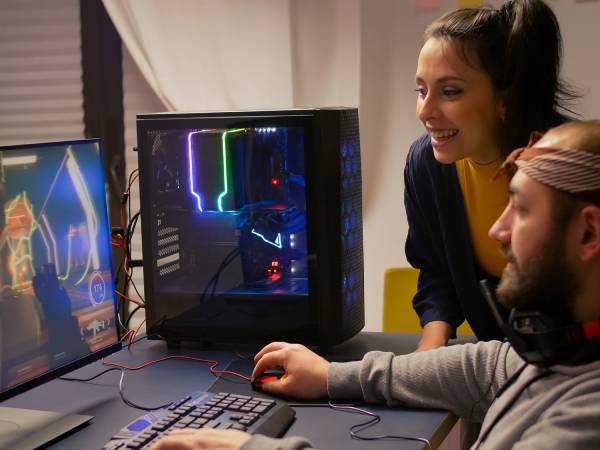
Embrace Iterative Design Through Playtesting: This crucial feedback loop is key to Designing Learning Games the Right Way, ensuring your mechanics evolve based on actual player data through iterative design.
Pilot Phase: Test prototypes with diverse learner groups during playtesting. Gather qualitative feedback (like “What felt confusing?”) and track initial metrics such as completion rates and time spent on challenges.
Revise & Refine: Use analytics data to adjust mechanics. Address accessibility by balancing performance stress curves to cater to player diversity and varied learning styles—simplify confusing puzzles or integrate adaptive hints.
Validate Learning Impact (Assessment): Measure effectiveness using key metrics. Analyze:
- Engagement: Session duration and frequency of repeat plays.
- Comprehension: Pre/post-test score comparisons showing knowledge gains.
- Satisfaction: Post-game survey results on enjoyment and perceived value.
This rigorous validation cycle ensures your educational game design engages and effectively meets learning objectives through data-driven iteration.
Looking Ahead: Effective Learning Game Design for the Future
In summary, Designing Learning Games the Right Way comes into practice when educators and developers collaborate effectively, prioritizing learning outcomes. You foster curiosity and engagement by incorporating identity, verbs, and systems into educational game design. Additionally, successful learning games must accommodate diverse learning styles and player diversity. Therefore, adopting an iterative design process, informed by continuous assessment through playtesting, is crucial for creating meaningful experiences.
Need guidance implementing these strategies? Discover how an expert can help you design impactful learning games.