The Prepared Environment is a cornerstone of Montessori education—more than just a physical space, it’s an intentional ecosystem that acts as a third teacher, fostering independence, concentration, and self-directed learning. This living structure meets children’s developmental needs so effectively that Dr. Maria Montessori observed,’ He has no need of adult influences..the freedom to follow his inner need is sufficient.’
Montessori educators craft this specialized ecosystem as a guide and catalyst. You’ll notice:
- Classrooms organized to support developmental phases without adult-centric focal points like teacher desks
- Schedules and cultural norms that communicate core values through daily rhythms
- Materials and spatial designs that transform learning into self-guided exploration
Every chair, ritual, and color choice becomes a deliberate language—silently shaping how children absorb boundaries, responsibilities, and intellectual curiosity. This Prepared Environment doesn’t simply exist around the child; it’s a pedagogical tool co-created to ignite natural growth patterns.
The following sections decode the five principles that turn Montessori spaces into laboratories for autonomous learning—from tactile materials to community-building layouts.
Fundamental Principles of a Montessori Prepared Environment
There’s an intentional harmony in every Montessori classroom you enter. At first glance, you’ll notice natural light filtering through curated artwork and Prepared Environment elements positioned with purpose – beauty here serves as a silent teacher, encouraging respect for space and materials within the overall prepared environment.
Structure and Order Define Function: The space upholds clear structure and order. Everything has its designated place on orderly, clean shelves. You’ll often see materials arranged using left-to-right sequencing, mirroring reading patterns and reinforcing the child’s innate Sense of Order. Natural elements like plants coexist with polished botany puzzles and aligned geometric solids, contributing to the overall beauty and atmosphere and reflecting nature and reality.
“A space of external order promotes internal order,” observed Dr. Montessori. This organized approach helps young minds:
- Cultivate organizational skills needed for real-world experiences.
- Develop focus through predictable access and routines.
- Build confidence and independence within a reliable framework.
Freedom Within Limits Guides Choice: The environment champions freedom within limits. Children can choose their activities and workspaces after introductory grace and courtesy lessons establish expectations. You’ll witness students:
- Self-selecting seating—perhaps a cushion or quiet corner—based on body awareness needs.
- Returning materials precisely, guided by embedded control of error features.
- Engaging constructively with peers, nurturing the social environment.
These principles collectively create a vibrant intellectual environment. Materials aren’t just tools but launchpads for independent discovery, fostering concentration, and a genuine love of learning. Explore how the physical layout itself supports these principles in our next section.
Classroom Design Elements Supporting Development
In Montessori’s Prepared Environment: Designing Spaces for Independent Learning, every material and surface works in harmony to support development. Materials and supplies are arranged systematically across accessible points, embodying an intuitive design where the physical space guides independent exploration and maintains visual clarity.
Practical Organization Enhances Access
Quite often, this accessible approach includes low shelves positioned just right for the children in that class, making essential furniture serve developing bodies. Furthermore, materials are used together to follow matching visual cues—think coordinating trays or color-coded baskets. This simple clarity helps children focus, especially when engaging with Autodidactic Materials, proving super effective for concentration. People love it when you make things easier for them; daily essentials like paper supplies and tools are kept within reach on designated carts or shelves, inviting use without needing adult help. When a child’s name is associated with your school, they must know what to expect regarding this seamless access, which builds trust.
At every stage, the Furniture itself is scaled appropriately:
- Toddler-sized chairs that support independent movement.
- Custom tables aligned with students’ developmental height needs.
- Low shelves showcase materials and supplies at eye level.
Five Zones of Growth
The environment typically divides the Physical Space into five distinct Montessori Classroom Areas, each fostering specific skills:
- The Practical Life Area, where children build real-world coordination through tasks like food preparation and caring for Natural Elements like plants.
- The Sensorial Area, filled with materials like textured solids and geometric shapes, is designed to refine tactile and visual perception.
- Math Area and Language Area, where Autodidactic Materials allow self-correction during abstract concept exploration.
- Cultural Area, introducing foundational geography (like landforms) and sciences (like zoology/botany) through interactive puzzles and artifacts, integrating Nature and Reality.
These design choices ensure that every square foot serves as an active learning partner. Therefore, for your prepared environment to be effective, prospects (parents and staff) must
see how it supports independent learning. The prepared Physical Space becomes the “Third Teacher,” which we’ll analyze in detail, examining how these environmental cues subtly reinforce developmental milestones.
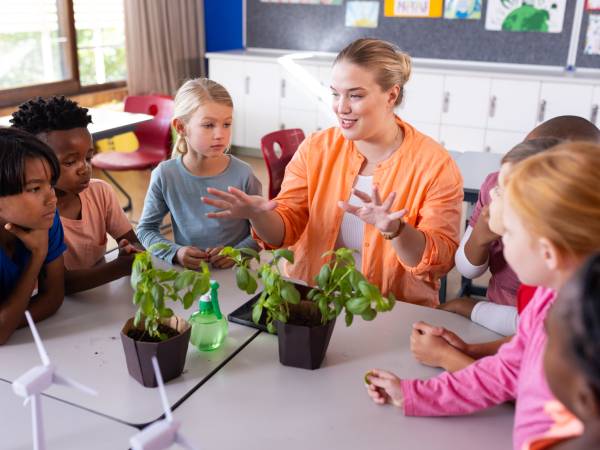
The Environment as an Active Teacher
Have you ever considered your classrooms as active instructors? The Prepared Environment acts as Montessori’s “Third Teacher” – a silent partner that nurtures independence through deliberate design. Autodidactic materials form this pedagogy’s core – self-correcting tools that let students detect errors through tactile feedback and think of puzzles where misplaced pieces disrupt symmetry. Consider a knobbed cylinder block: if cylinders don’t fit, children self-diagnose misalignment without teacher intervention.
We Montessori educators learn alongside students through keen observation. Weekly documentation often reveals fascinating patterns – maybe preschoolers consistently abandon math work after eight minutes. This isn’t failure; it’s data! Through these insights, we might:
- Rotate materials to reignite interest in new cultural artifacts
- Adjust shelving heights, improving access for growing bodies
- Introduce collaborative works fostering peer-guided problem-solving
Thus, Child Development becomes co-created choreography between the prepared environment and the educator. As seasons change classrooms – autumn leaves becoming sorting tools – we evolve spaces responding to developmental winters and springs.
Now that we’ve seen environmental instruction in action, our conclusion ties classroom design to lifelong learning outcomes.
Fostering Lifelong Learning and Independence Through Montessori Spaces
In conclusion, Montessori’s Prepared Environment: Designing Spaces for Independent Learning cultivates essential life skills, directly contributing to lifelong personal growth. This carefully designed ecosystem comes into play by fostering development and providing the necessary tools for students to actualize their potential.
Furthermore, it actively promotes self-regulation and independence and fosters an intrinsic love of learning. These benefits allow children to flow seamlessly toward greater autonomy, proving incredibly effective beyond academic settings and supporting student agency.
This intentional classroom design delivers diverse pathways for growth, playing a massive role in development:
- Encouraging Mastery-Based Learning through self-correcting, hands-on materials.
- Building cognitive flexibility and essential problem-solving skills independently.
- Supporting individualized pacing and deep concentration tailored to each child.
Ultimately, the Prepared Environment instills a profound Sense of Responsibility. This approach provides children with the internal compass needed for self-directed living, a necessary foundation applicable in any context.